Specialist care for hernia, abdominal wall reconstruction and upper GI conditions at Ross Hall Hospital, Glasgow. Advanced robotic and minimally invasive techniques mean less pain, a faster recovery and better long-term results, with a treatment plan built precisely around you.
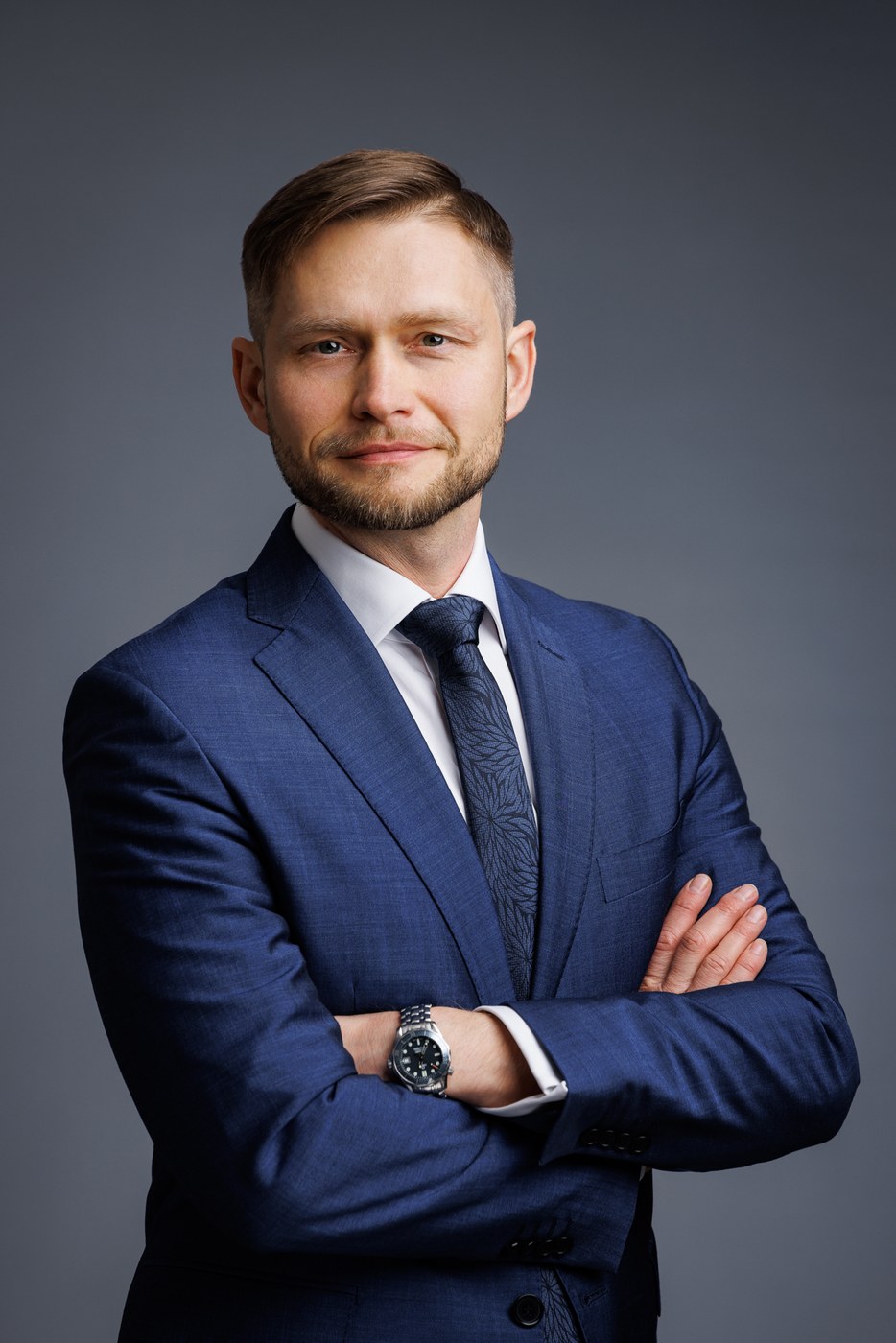
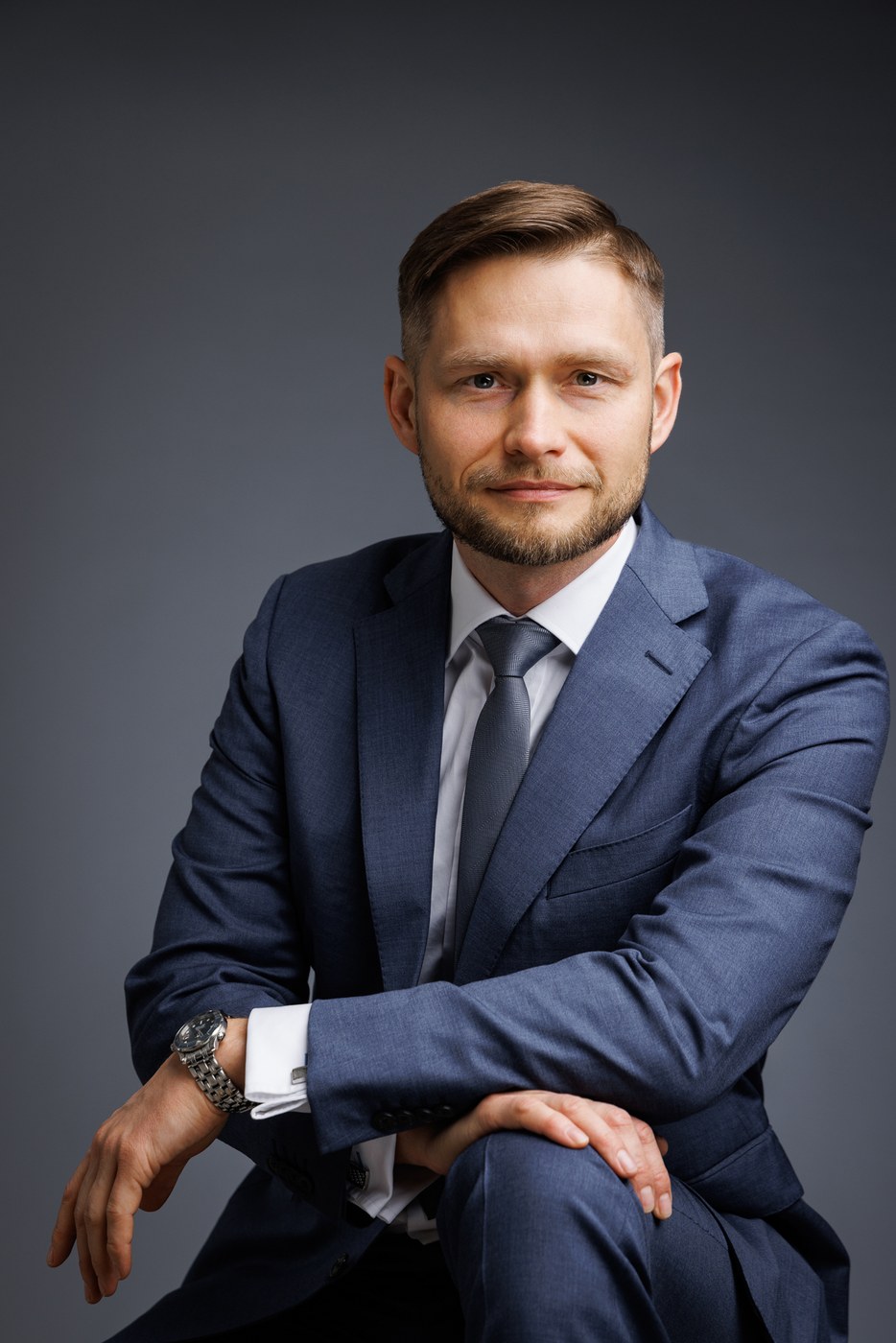
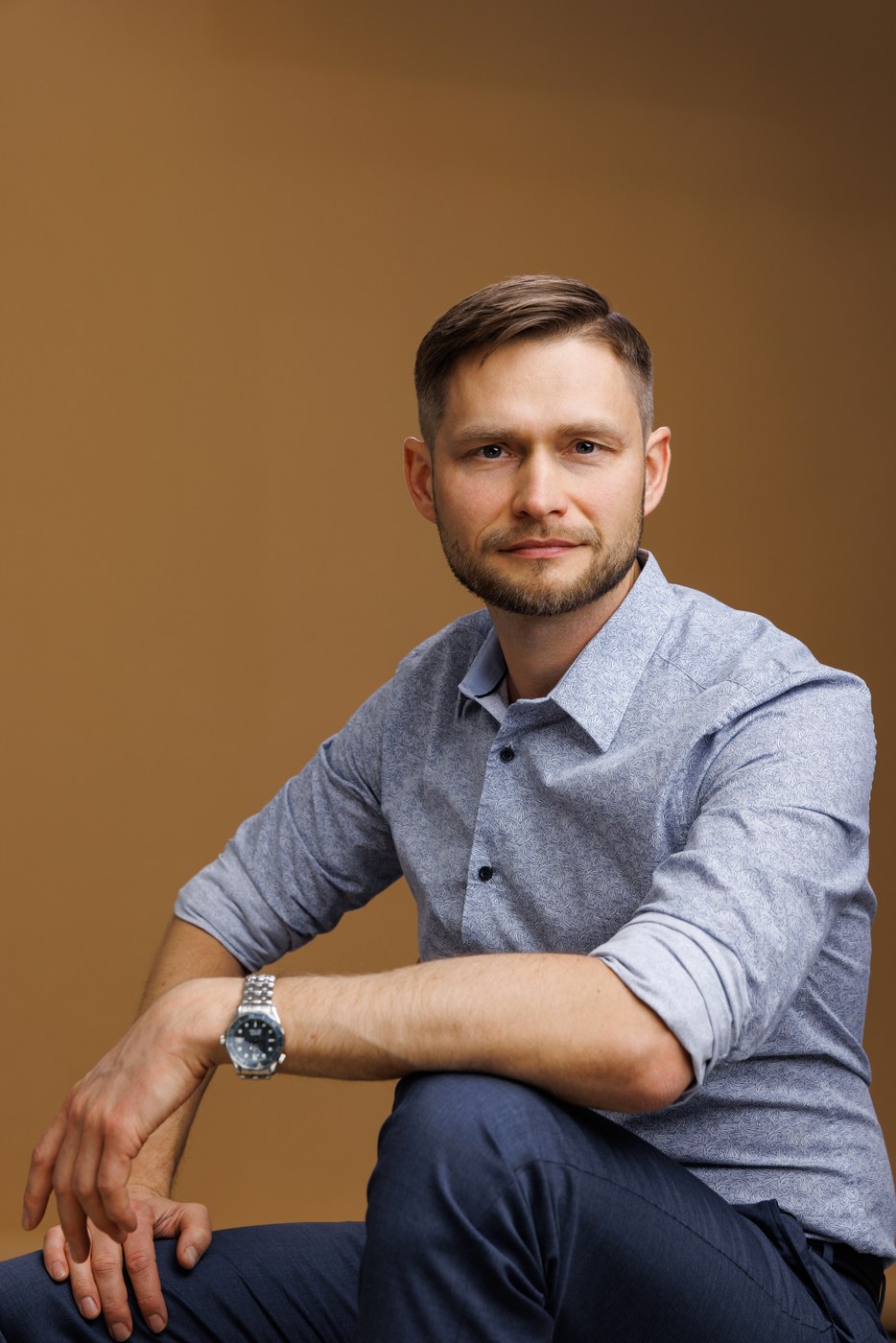
A surgeon who combines world-class technical expertise with a deeply personal approach, because every patient deserves a treatment plan that is uniquely theirs.
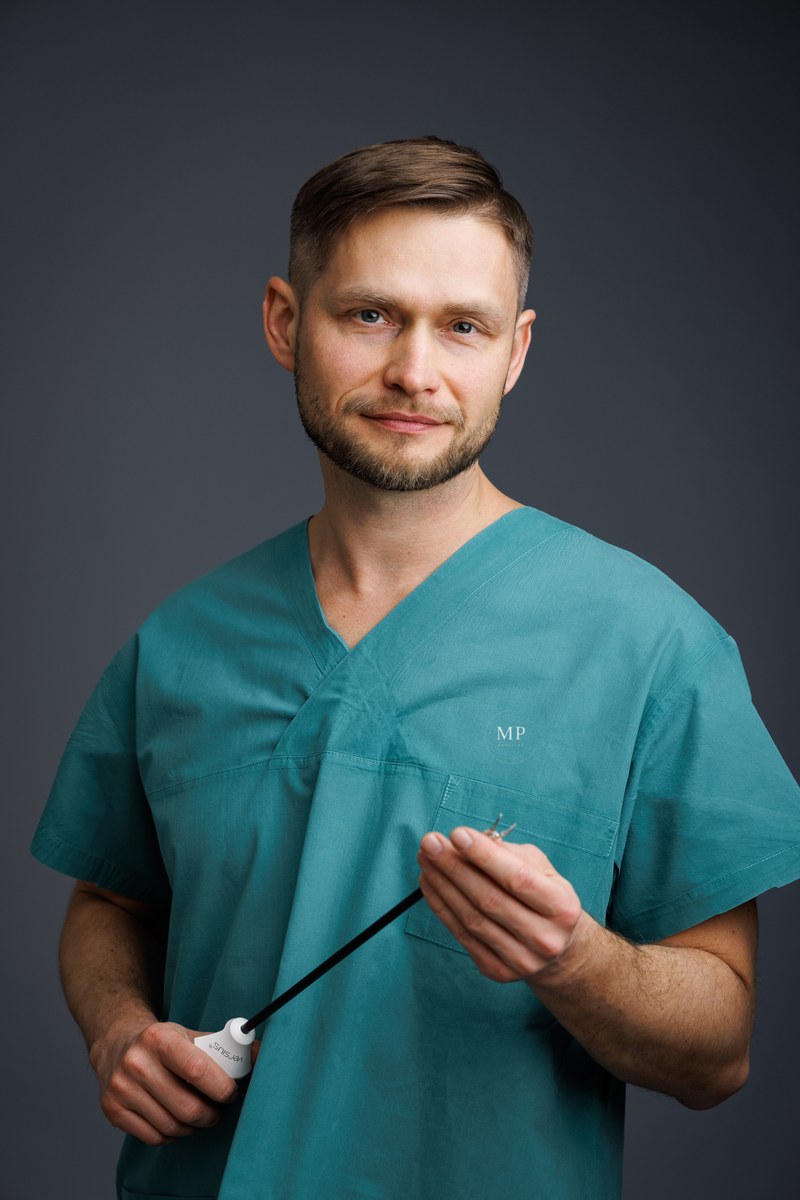
Mr Pawlak trained at the Medical University of Gdańsk and advanced his expertise at the Royal Infirmary of Edinburgh, the Lichtenstein Amid Hernia Clinic at UCLA, and leading centres in Spain and Germany. He holds a PhD in Medicine and leads internationally recognised research in hernia and abdominal wall surgery.
As co-lead for two European Hernia Society guideline programmes and a member of the HerniaSurge international collaboration, Mr Pawlak is among the foremost authorities in his field globally. At Ross Hall Hospital, the only private hospital in Scotland offering routine robotic hernia surgery, he brings that expertise directly to his patients.
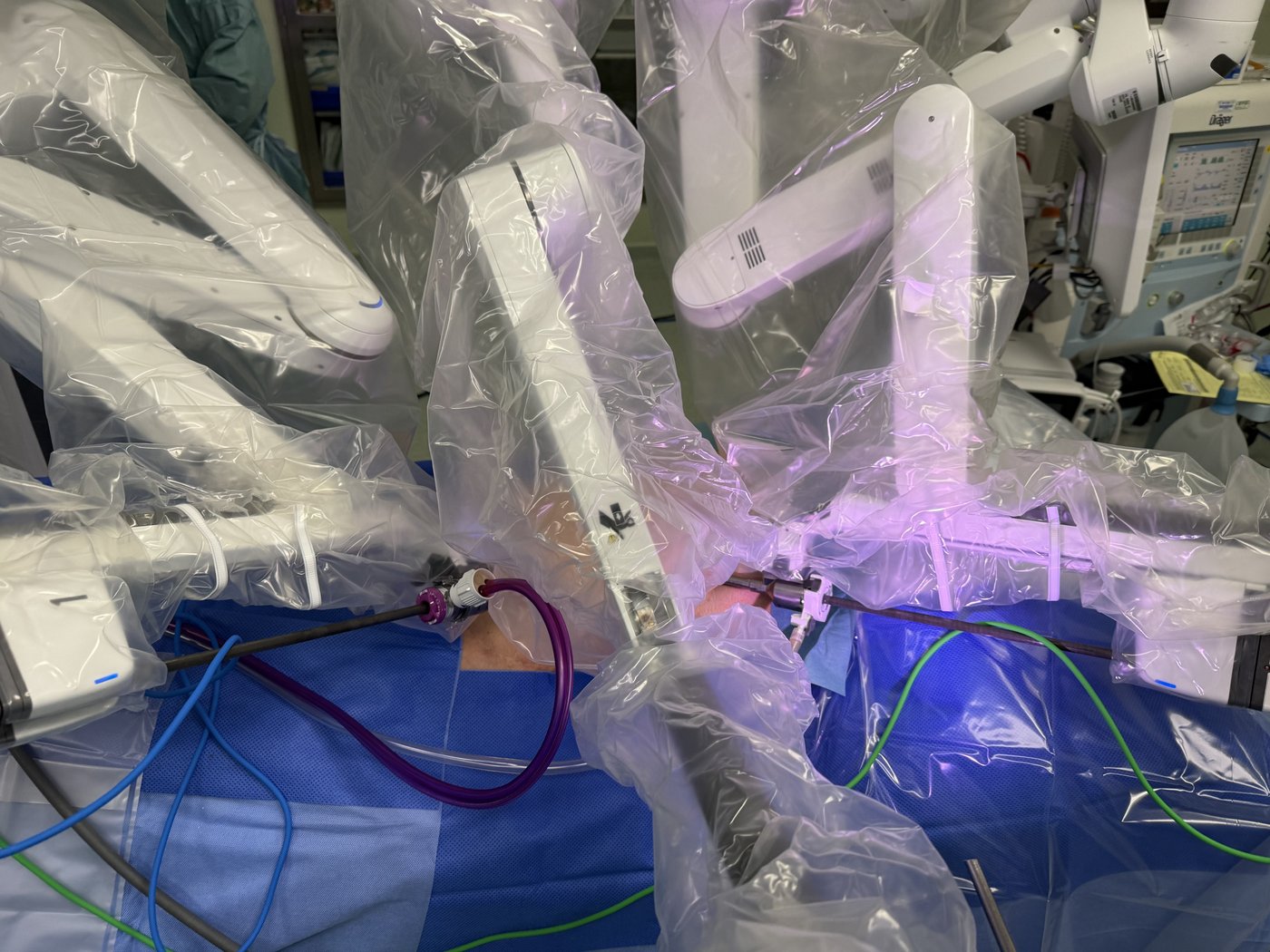
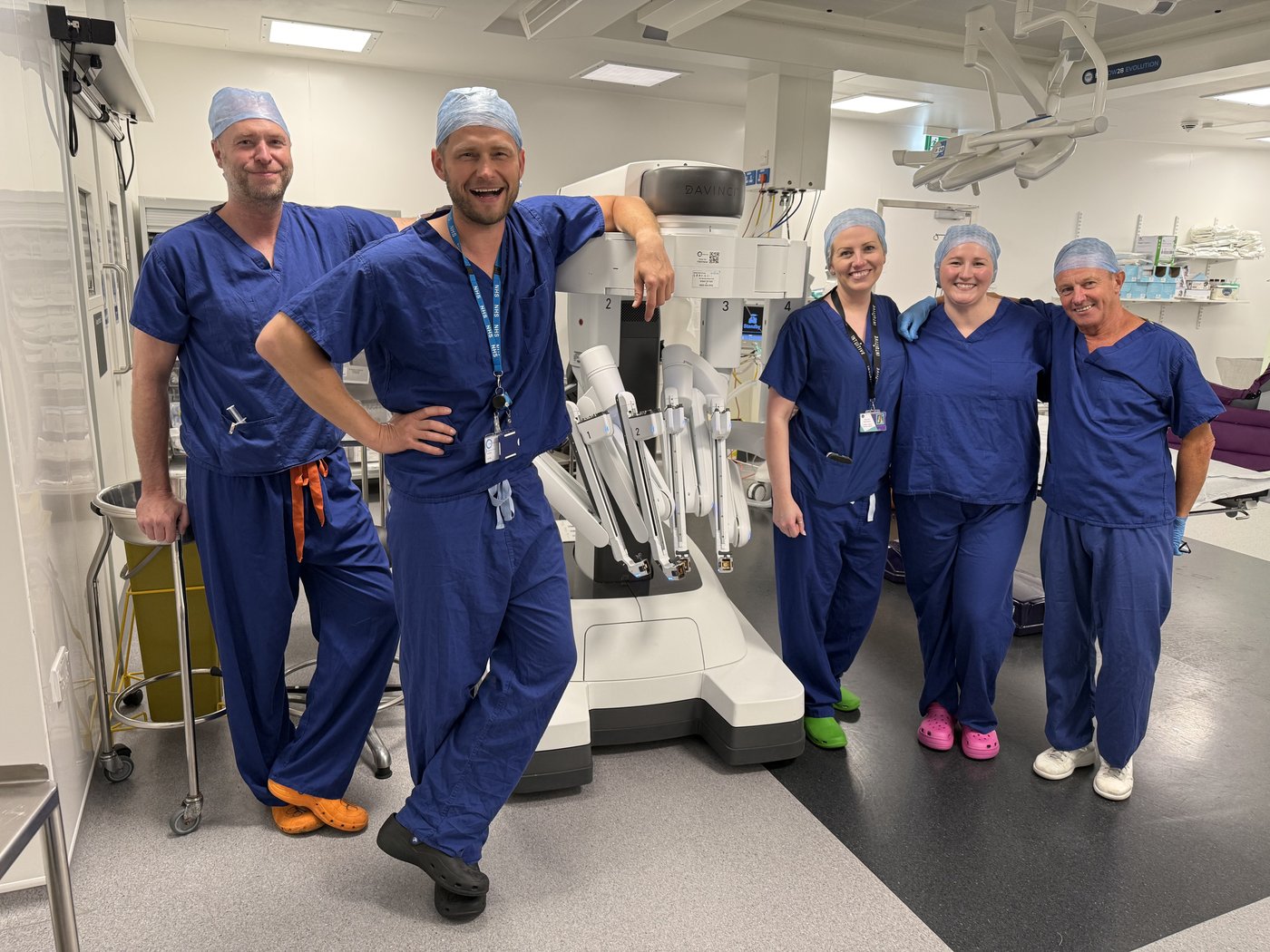
Using the most advanced surgical technology available, Mr Pawlak delivers procedures that once required large open operations. Today they are carried out through incisions smaller than a fingertip. Ross Hall Hospital is currently the only private hospital in Scotland offering this level of robotic expertise on a routine basis.
The robotic arms work through incisions smaller than a fingertip, guided with millimetre precision by Mr Pawlak from a console in the same theatre. The result is less pain, less scarring and a recovery measured in days rather than weeks.
For many patients told their hernia is too complex for keyhole surgery, robotic technology opens new possibilities, allowing safe and precise reconstruction that was simply not achievable before.
The first robotic-assisted rectus abdominis diastasis repair performed at Ross Hall Hospital, and a landmark moment for minimally invasive surgery in Scotland. Particularly beneficial for patients following pregnancy, this procedure was achieved through tiny incisions with the Da Vinci system, resulting in outstanding recovery and cosmetic outcomes. Published on Ross Hall's social media as a milestone for Scottish private surgery.
View on Instagram ↗
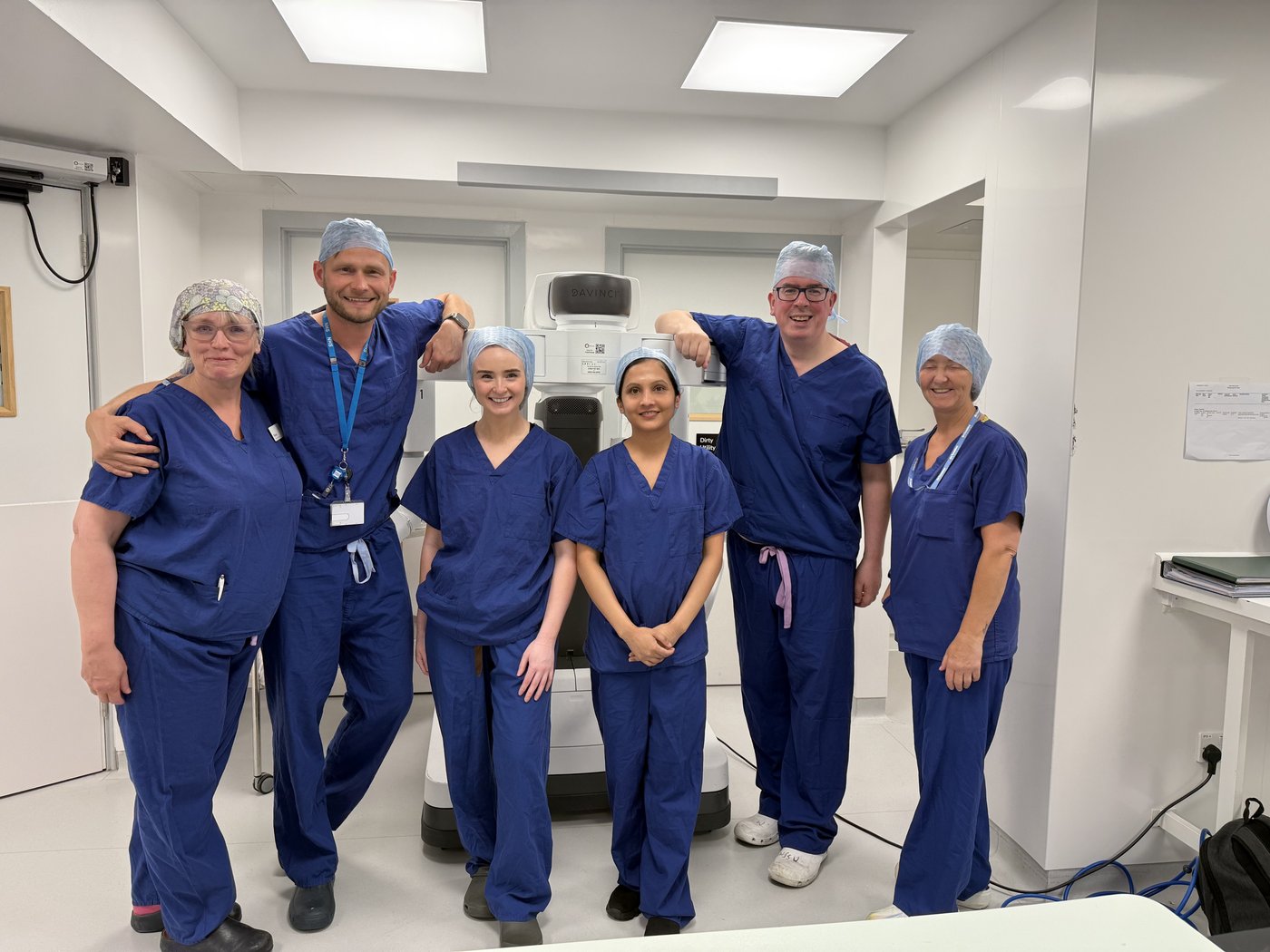
The first robotic-assisted complex hiatal hernia repair performed at Ross Hall Hospital, and another milestone in bringing world-class robotic capability to Scotland. This technically demanding procedure benefits from the enhanced precision and visualisation of the Da Vinci system, offering patients a faster recovery with significantly reduced discomfort. Celebrated by the entire team.
View on Instagram ↗New patient education videos are added regularly. For more, visit the MP Surgical channel or follow along on LinkedIn and Instagram.
Written by Mr Pawlak in plain English, these guides explain what to expect before, during and after your operation. Every guide can be read on your phone, printed, or saved as a PDF to keep. Select a stage below.
Every review on Doctify is left by a patient whose treatment has been independently confirmed. Reviews cannot be edited, selected or removed by the surgeon, so what you read is exactly what patients reported.
"I believe every patient deserves to understand their options fully, and to have a treatment plan designed around their own circumstances rather than a protocol."
Not always. Some small, symptom-free hernias can safely be monitored. However, hernias do not heal on their own and many enlarge or become more uncomfortable over time. A specialist consultation establishes whether repair is advisable in your particular case.
Most patients go home the same day or the following morning and return to light activity within a few days. Many resume normal daily activities within two to three weeks. Complex abdominal wall reconstruction takes longer, and you will be given a recovery plan specific to your operation.
Robotic surgery offers greater precision, wristed instrument movement and magnified 3D vision, which is particularly valuable in complex, recurrent and abdominal wall reconstruction cases. It is not automatically the right choice for every patient, and the most suitable approach is decided together at consultation.
Yes. Recurrent and revision hernia surgery is a core part of this practice. Specialist assessment can establish why symptoms have persisted or returned and identify the most effective next step, including robotic options for cases that previously required open surgery.
No. The right technique depends on the hernia type, defect size, tissue quality, previous surgery and your own priorities. The advantages and disadvantages of mesh and tissue repair are discussed openly at consultation so you can make an informed decision.
Both are welcome. You can book directly through the Ross Hall Hospital online booking system or ask your GP to refer you. International patients are seen, and telemedicine consultations can be arranged for an initial assessment.
Private consultations and surgery take place at Ross Hall Hospital, 221 Crookston Road, Glasgow G52 3NQ. Ross Hall is currently the only private hospital in Scotland offering routine robotic hernia and abdominal wall surgery.
Yes. Robotic techniques are especially well suited to large and complex hernias, where precision and visualisation matter most. Mr Pawlak has performed over 275 robotic procedures, including some of the most technically demanding abdominal wall reconstructions carried out in Scotland.
Private consultations at Ross Hall Hospital, Glasgow. Self-referral and GP referral are both welcome. International patients and telemedicine consultations available.
For appointment bookings, please use the Ross Hall online booking link above. For general enquiries, research questions or referrals, use this form.
Thank you for getting in touch. Mr Pawlak's team will respond to your enquiry within one to two working days. For appointments, please use the Ross Hall online booking system.